In today’s rapidly evolving technological and industrial landscape, specialised components and coded identifiers like 2RSB9053 play a crucial role in ensuring efficiency, precision, and reliability. While at first glance the term “2RSB9053” may appear to be a random alphanumeric string, it typically represents a specific model number, part identifier, or standardised code used in professional environments such as engineering, manufacturing, electronics, or supply chain systems.
This article provides an in-depth exploration of 2RSB9053, discussing its possible meanings, applications, significance, and how professionals interact with such identifiers in real-world scenarios. Whether you are an engineer, technician, procurement specialist, or simply someone interested in technical systems, this guide will help you understand the importance of structured component codes like 2RSB9053.
Understanding the Structure of 2RSB9053
Alphanumeric codes such as 2RSB9053 are often designed with a structured format that conveys specific information about a product or component. Although the exact meaning can vary depending on the manufacturer or industry, such codes typically include:
- Prefix identifiers (e.g., “2RSB”)
- Numeric sequences (e.g., “9053”)
- Optional suffixes (not present here but common in similar codes)
Possible Breakdown
- “2RS”: Often used in engineering contexts to indicate “two rubber seals,” especially in bearings or mechanical components.
- “B”: Could represent a variation, series, or design version.
- “9053”: Usually a unique identifier indicating size, specification, or batch number.
Understanding this structure is essential for professionals who rely on accuracy when selecting or replacing components.
Applications of 2RSB9053 in Industry
1. Mechanical Engineering
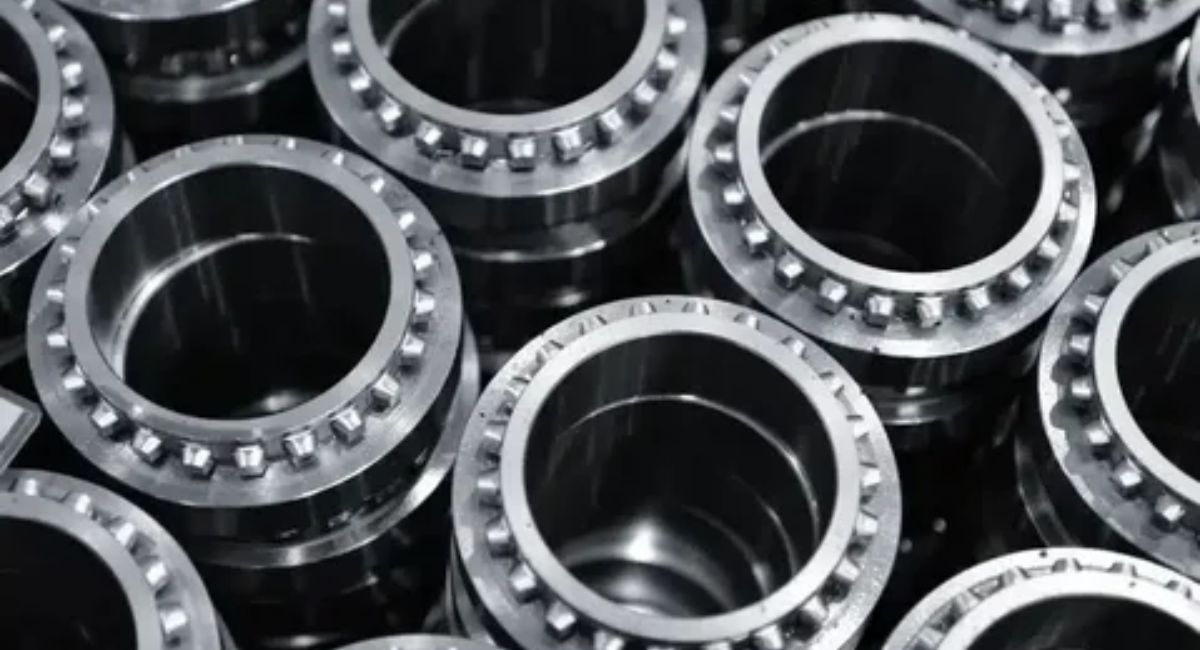
In mechanical systems, codes like 2RSB9053 are commonly associated with components such as bearings, seals, or rotating elements. If 2RSB9053 refers to a bearing, the “2RS” designation suggests it is sealed on both sides with rubber seals, providing:
- Protection against dust and contaminants
- Reduced need for maintenance
- Extended operational life
Such components are widely used in:
- Motors
- Gearboxes
- Industrial machinery
- Automotive systems
2. Electronics and Hardware
In electronics, alphanumeric identifiers are used to label:
- Integrated circuits
- Connectors
- Switches
- Sensors
If 2RSB9053 belongs to this category, it may represent a specific hardware module or chip used in professional-grade systems.
3. Supply Chain and Inventory Management
In logistics and procurement, codes like 2RSB9053 serve as SKU (Stock Keeping Units) or part numbers. These identifiers help organizations:
- Track inventory efficiently
- Avoid confusion between similar components
- Ensure accurate ordering and restocking
Large-scale operations rely heavily on such codes to maintain consistency and reduce errors.
4. Automotive Industry
Automotive manufacturers use structured codes for:
- Spare parts
- Engine components
- Electrical systems
If 2RSB9053 is used in this context, it could refer to a specific part within a vehicle assembly, ensuring compatibility and performance.
Importance of Accurate Component Identification
Using the correct part number, such as 2RSB9053, is critical in professional environments. Even a small mistake can lead to:
- Equipment malfunction
- Increased downtime
- Safety hazards
- Financial losses
Key Benefits of Proper Identification
- Precision – Ensures the exact component is used
- Efficiency – Speeds up maintenance and repairs
- Compatibility – Prevents mismatched parts
- Traceability – Allows tracking of product origin and history
Professionals are trained to carefully verify such codes before making decisions.
How to Verify 2RSB9053
When working with a part number like 2RSB9053, verification is essential. Here are common methods used by professionals:
1. Manufacturer Documentation
Check official catalogs, datasheets, or manuals provided by the manufacturer. These documents contain detailed specifications, including:
- Dimensions
- Materials
- Performance ratings
2. Online Databases
Many industries maintain digital databases where part numbers can be searched to retrieve relevant information.
3. Supplier Consultation
Contacting authorized suppliers or distributors can help confirm the authenticity and specifications of 2RSB9053.
4. Physical Inspection
In some cases, the component itself may have markings or engravings that match the code, allowing for direct verification.
Common Challenges with Part Numbers
Despite their usefulness, part numbers like 2RSB9053 can sometimes create confusion.
1. Similar Codes
Many components have nearly identical codes, differing by only one character. This can lead to ordering mistakes.
2. Counterfeit Products
In global markets, counterfeit components may use legitimate-looking codes like 2RSB9053, posing risks to safety and performance.
3. Lack of Standardization
Different manufacturers may use different coding systems, making it difficult to interpret codes without proper documentation.
Best Practices for Professionals
To effectively work with identifiers like 2RSB9053, professionals should follow these best practices:
1. Double-Check Codes
Always verify the part number before placing orders or performing installations.
2. Maintain Records
Keep detailed records of components used in systems, including their part numbers.
3. Use Trusted Suppliers
Purchase components only from reputable sources to avoid counterfeit products.
4. Stay Updated
Manufacturers may update or replace part numbers over time. Staying informed ensures compatibility and efficiency.
The Role of 2RSB9053 in Maintenance and Repair
In maintenance operations, identifying the correct component quickly is essential. Codes like 2RSB9053 enable technicians to:
- Diagnose issues accurately
- Replace faulty parts efficiently
- Minimize system downtime
For example, in an industrial setting, a malfunctioning bearing identified as 2RSB9053 can be replaced with an exact match, restoring functionality without guesswork.
Digital Transformation and Part Identification
With the rise of digital technologies, the way professionals interact with part numbers like 2RSB9053 is evolving.
1. Bar code and QR Code Integration
Many components now include scannable codes that link directly to digital records.
2. AI and Automation
Advanced systems can automatically identify components based on part numbers and suggest replacements or maintenance actions.
3. Cloud-Based Inventory Systems
Organizations use cloud platforms to manage inventories, making it easier to track components like 2RSB9053 across multiple locations.
Future Trends
The use of structured identifiers like 2RSB9053 is expected to grow as industries become more complex and interconnected.
1. Standardization
Efforts are being made to standardize part numbering systems across industries, improving interoperability.
2. Smart Components
Future components may include embedded chips that store detailed information, reducing reliance on external codes.
3. Enhanced Traceability
Blockchain and other technologies may be used to track components from manufacturing to end use, ensuring authenticity.
Conclusion
The keyword 2RSB9053 represents more than just a sequence of characters—it embodies the precision, organization, and efficiency that modern industries rely on. Whether used in mechanical engineering, electronics, automotive systems, or supply chain management, such identifiers are essential for maintaining accuracy and reliability.
Understanding how to interpret, verify, and use codes like 2RSB9053 is a valuable skill for professionals across various fields. By following best practices and leveraging modern tools, organizations can maximize the benefits of structured component identification while minimizing risks.
As technology continues to advance, the importance of clear and consistent part numbering systems will only increase, making identifiers like 2RSB9053 an integral part of the professional world.
If you want, I can tailor this article for SEO (with headings, meta description, and keyword density) or adapt it to a specific industry like automotive, electronics, or mechanical engineering.