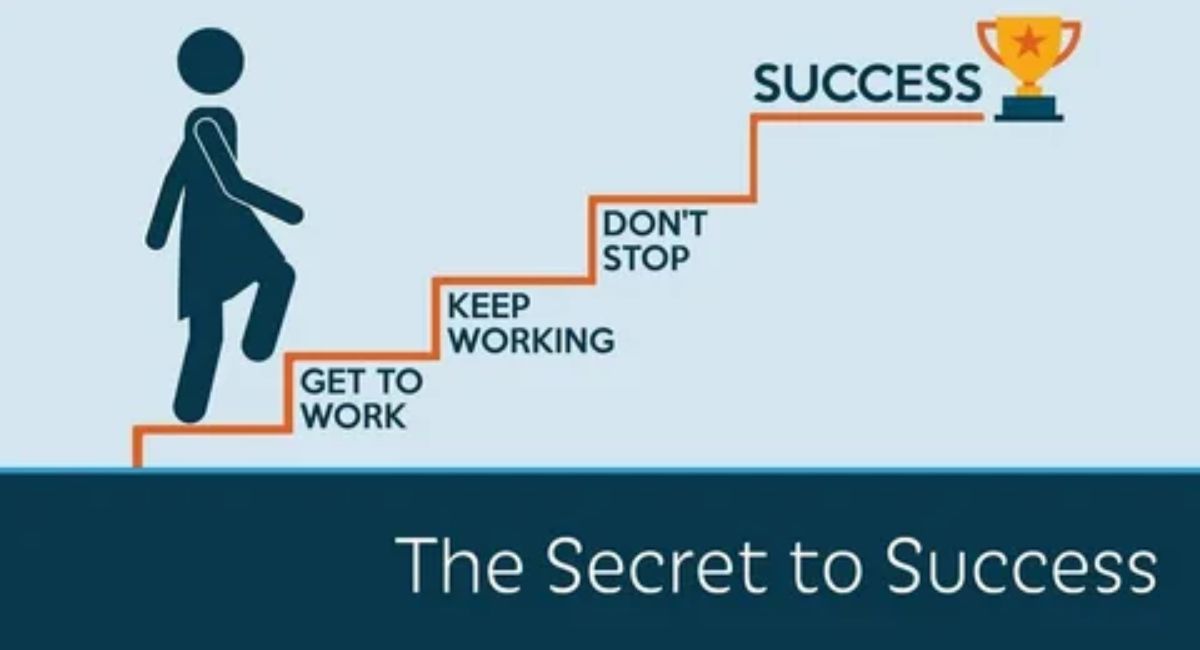
Entering the professional world can feel overwhelming, especially when you’re just starting out. Whether you’re a fresh graduate, switching careers, or stepping into your first serious job, building a strong professional foundation is crucial. This guide is designed to help you navigate the early stages of your career with confidence, clarity, and purpose. From developing essential skills to building a personal brand, this comprehensive article covers everything you need to transition from a beginner to a polished professional.
Understanding What It Means to Be a Professional
Being a professional is not just about having a job or earning a salary. It involves a combination of skills, behaviors, attitudes, and values that reflect competence and reliability. Professionals are known for their commitment, discipline, and ability to deliver results consistently.
At its core, professionalism includes:
- Strong work ethic
- Accountability
- Effective communication
- Time management
- Continuous learning
Developing these traits early on sets the tone for long-term career success.
Setting Clear Career Goals
One of the most important steps for beginners is defining clear and achievable career goals. Without direction, it’s easy to feel lost or stuck.
Short-Term Goals
These are immediate objectives, such as:
- Learning a new skill
- Completing a certification
- Getting your first job
Long-Term Goals
These involve your bigger vision:
- Becoming a manager or specialist
- Starting your own business
- Achieving financial independence
Write down your goals and revisit them regularly. This practice keeps you focused and motivated.
Building Essential Skills
To become a professional, you need a mix of hard and soft skills.
Hard Skills
These are technical abilities specific to your field, such as:
- Programming
- Accounting
- Graphic design
- Data analysis
You can learn these through courses, certifications, and hands-on practice.
Soft Skills
These are equally important and often determine career growth:
- Communication
- Teamwork
- Problem-solving
- Adaptability
Employers value individuals who can collaborate effectively and handle challenges gracefully.
Creating a Strong Resume and Portfolio
Your resume is your first impression. A well-crafted resume can open doors to opportunities.
Resume Tips
- Keep it concise (1–2 pages)
- Highlight achievements, not just responsibilities
- Use action verbs (e.g., “developed,” “managed,” “created”)
- Tailor it to each job application
Portfolio
If your field allows (e.g., design, writing, programming), create a portfolio showcasing your work. This demonstrates your capabilities better than words alone.
Mastering Job Search Strategies
Finding your first job can be challenging, but using the right strategies makes a big difference.
Networking
Connect with people in your industry:
- Attend events
- Join online communities
- Reach out to professionals
Networking often leads to opportunities that aren’t publicly advertised.
Online Platforms
Use job portals and professional platforms to:
- Apply for jobs
- Build your profile
- Connect with recruiters
Internships and Freelancing
These are great ways to gain experience and build credibility.
Acing Job Interviews
Interviews can be nerve-wracking, but preparation is key.
Before the Interview
- Research the company
- Understand the job role
- Practice common questions
During the Interview
- Dress professionally
- Maintain eye contact
- Speak clearly and confidently
After the Interview
- Send a thank-you message
- Reflect on your performance
Each interview is a learning experience, even if you don’t get the job.
Developing a Professional Mindset
Your mindset plays a critical role in your success.
Growth Mindset
Believe that skills can be developed through effort and learning. This helps you embrace challenges and persist through difficulties.
Positive Attitude
Stay optimistic, even when facing setbacks. Employers value individuals who bring positive energy to the workplace.
Accountability
Take responsibility for your actions and learn from mistakes.
Time Management and Productivity
Managing your time effectively is essential for professional success.
Tips for Better Time Management
- Prioritize tasks using lists
- Set deadlines
- Avoid procrastination
- Use productivity tools
Work-Life Balance
Don’t overwork yourself. Maintaining balance prevents burnout and keeps you motivated.
Building Professional Relationships
Success is not just about what you know, but also who you know.
Workplace Relationships
- Be respectful and cooperative
- Offer help when needed
- Communicate openly
Mentorship
Find a mentor who can guide you, provide feedback, and help you grow.
Continuous Learning and Self-Improvement
The professional world is constantly evolving. Staying updated is crucial.
Ways to Keep Learning
- Take online courses
- Attend workshops
- Read books and articles
- Follow industry trends
Skill Upgradation
Regularly update your skills to remain competitive in the job market.
Personal Branding
Your personal brand is how others perceive you professionally.
Building Your Brand
- Maintain a professional online presence
- Share your knowledge and achievements
- Be consistent in your communication
Reputation
Your actions and behavior define your reputation. Always strive to be reliable and trustworthy.
Handling Challenges and Failures
Every professional journey includes obstacles.
Common Challenges
- Rejection from jobs
- Difficult coworkers
- Work pressure
How to Overcome Them
- Stay calm and composed
- Analyze the situation
- Seek advice if needed
- Keep improving
Failure is not the end—it’s a stepping stone to success.
Financial Awareness for Beginners
Managing your finances is an important aspect of professional life.
Basic Financial Tips
- Create a budget
- Save regularly
- Avoid unnecessary expenses
- Learn about investments
Financial stability provides security and freedom in your career.
Workplace Ethics and Professional Behavior
Ethics define your integrity as a professional.
Key Principles
- Honesty
- Respect
- Responsibility
- Fairness
Avoid gossip, dishonesty, and unethical practices. These can damage your career.
Career Growth and Advancement
Once you’ve established yourself, focus on growth.
Strategies for Advancement
- Take initiative
- Seek feedback
- Accept new challenges
- Build leadership skills
Promotions and Opportunities
Be proactive in seeking growth opportunities within your organization.
Importance of Communication Skills
Effective communication is a cornerstone of professionalism.
Verbal Communication
- Speak clearly and confidently
- Listen actively
Written Communication
- Use proper grammar
- Be concise and clear
Non-Verbal Communication
- Body language
- Eye contact
- Facial expressions
Strong communication skills enhance your professional image.
Adapting to Workplace Culture
Every workplace has its own culture.
Understanding Culture
- Observe how others behave
- Follow company norms
- Respect diversity
Flexibility
Adaptability helps you fit in and thrive in different environments.
Leveraging Technology
Technology plays a vital role in modern careers.
Tools to Learn
- Communication tools
- Project management software
- Industry-specific tools
Being tech-savvy increases your efficiency and value.
Health and Well-Being
Your physical and mental health are essential for long-term success.
Tips for Well-Being
- Exercise regularly
- Eat healthy
- Get enough sleep
- Manage stress
A healthy professional is a productive professional.
Building Confidence
Confidence is key to success in any field.
How to Build Confidence
- Prepare thoroughly
- Practice your skills
- Celebrate small wins
- Learn from mistakes
Confidence grows with experience and effort.
Conclusion
Starting your professional journey can be both exciting and challenging. By focusing on skill development, building relationships, maintaining a positive mindset, and continuously learning, you can set yourself up for long-term success.
Remember, becoming a professional is a journey, not a destination. Stay committed, be patient, and keep improving. Every step you take brings you closer to your goals.
Whether you’re just beginning or looking to refine your approach, this starter guide provides the foundation you need to thrive in the professional world.