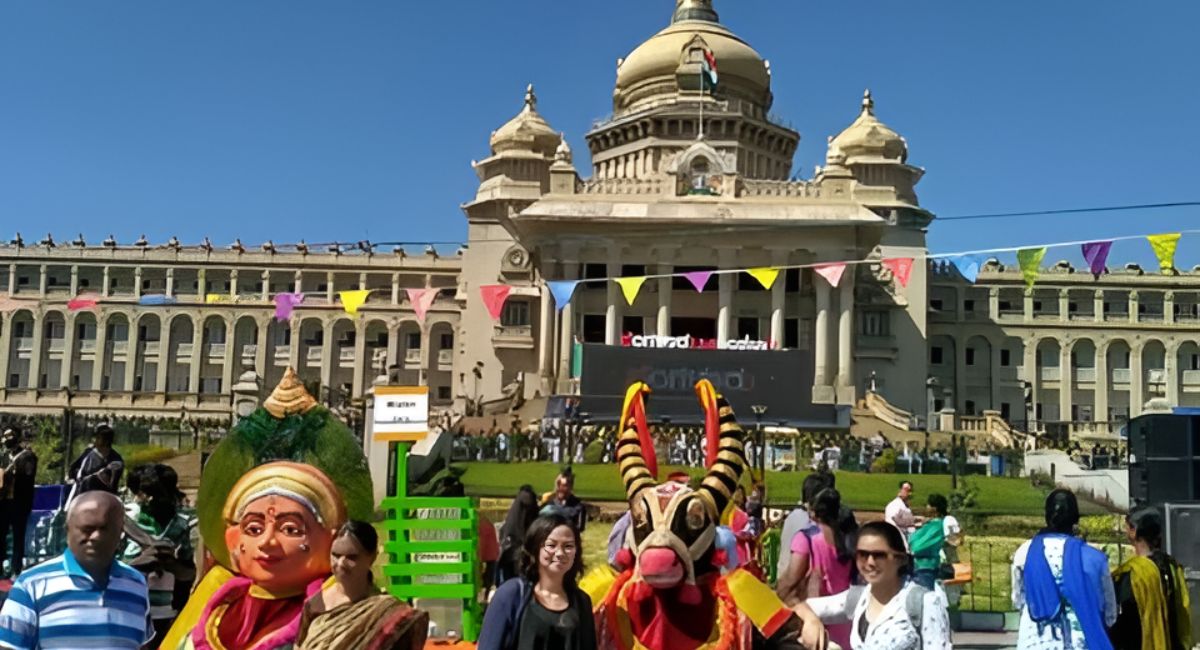
Bangalore, officially known as Bengali, stands as one of India’s most dynamic and rapidly evolving metropolitan cities. Often referred to as the “Silicon Valley of India,” Bangalore has transformed from a quiet, pensioners’ paradise into a bustling global hub for technology, innovation, and entrepreneurship. With its pleasant climate, rich cultural heritage, thriving IT sector, and cosmopolitan lifestyle, Bangalore continues to attract professionals, students, and tourists from around the world.
This article provides an in-depth exploration of Bangalore, covering its history, economic significance, cultural richness, infrastructure, lifestyle, and future prospects.
1. Historical Background of Bangalore
Bangalore’s history dates back to the 16th century when it was founded by Kemp Golda, a feudal ruler under the Vijayanagar Empire. He envisioned the city as a strategic and commercial hub and built mud forts, temples, and water tanks to support its growth. Over time, Bangalore came under the rule of various dynasties, including the Maratha and the Mugfuls, before becoming part of the Kingdom of Mysore.
During British colonial rule, Bangalore developed into an important military cantonment town. The British influence is still visible in the city’s architecture, parks, and institutions. Post-independence, Bangalore gradually evolved into an industrial and educational centre, laying the foundation for its future as a technological powerhouse.
2. Bangalore as India’s Technology Hub
Bangalore’s global recognition largely stems from its thriving information technology (IT) industry. The city houses thousands of tech companies, startups, and multinational corporations. It is home to major IT parks and innovation hubs that contribute significantly to India’s economy.
The presence of skilled talent, world-class educational institutions, and supportive government policies has furled Bangalore’s growth as a technology centre. The city leads in software development, artificial intelligence, biotechnology, and research.
Startups have also found a fertile ecosystem in Bangalore. With access to venture capital, mentorship, and networking opportunities, the city has become one of the leading startup hubs globally. Entrepreneurs are continuously launching innovative solutions across industries such as fin tech, health tech, ed tech, and e-commerce.
3. Educational and Research Excellence
Bangalore is known for its prestigious educational institutions and research centres. Students from across India and abroad come to pursue higher education in fields such as engineering, management, medicine, and science.
The city fosters a culture of learning and innovation, supported by libraries, laboratories, and academic collaborations. Research institutions in Bangalore contribute to advancements in science, technology, and space exploration, further strengthening its reputation as a knowledge hub.
4. Climate and Geography
One of Bangalore’s most attractive features is its moderate climate. Unlike many Indian cities that experience extreme temperatures, Bangalore enjoys relatively mild weather throughout the year. Its elevation of approximately 900 meters above sea level contributes to cooler temperatures and a comfortable environment.
The city is dotted with lakes, parks, and green spaces, earning it the nickname “Garden City of India.” Although rapid urbanisation has impacted some green areas, efforts are being made to preserve and restore the city’s natural beauty.
5. Cultural Diversity and Lifestyle
Bangalore is a melting pot of cultures, languages, and traditions. People from different parts of India and the world have made the city their home, creating a vibrant and inclusive atmosphere.
The city celebrates a wide range of festivals, including traditional South Indian festivals as well as national and international events. This diversity is also reflected in Bangalore’s culinary scene, which offers everything from local delicacies to global cuisines.
The lifestyle in Bangalore is modern and fast-paced, yet balanced by a strong emphasis on work-life harmony. The city offers numerous recreational options, including shopping malls, cafes, art galleries, music venues, and nightlife spots.
6. Infrastructure and Urban Development
Bangalore’s rapid growth has led to significant developments in infrastructure. The city has expanded its road networks, metro system, and public transportation to accommodate increasing population and traffic demands.
The metro rail system has improved connectivity across key areas, reducing travel time and easing congestion. Additionally, ongoing projects aim to enhance road conditions, build flyovers, and develop smart city solutions.
However, challenges such as traffic congestion, water supply issues, and waste management remain areas of concern. Authorities are actively working on sustainable solutions to address these challenges and improve the quality of life for residents.
7. Economy and Employment Opportunities
Bangalore’s economy is diverse and robust. While the IT sector remains the backbone, other industries such as biotechnology, aerospace, manufacturing, and retail also contribute significantly.
The city offers abundant employment opportunities across various sectors. Professionals from engineering, finance, marketing, healthcare, and creative fields find Bangalore to be a promising destination for career growth.
The gig economy and freelance opportunities have also gained momentum, providing flexible work options for individuals seeking alternative career paths.
8. Real Estate and Cost of Living
Bangalore’s real estate market has experienced substantial growth due to increasing demand from professionals and businesses. The city offers a range of housing options, from affordable apartments to luxury villas.
Areas close to IT hubs tend to have higher property prices, while suburban regions provide more budget-friendly options. The cost of living in Bangalore is moderate compared to other global cities, although it has been rising steadily.
Rental costs, transportation, and lifestyle expenses vary depending on location and personal preferences. Despite these variations, Bangalore remains an attractive city for both residents and investors.
9. Tourism and Attractions
Bangalore offers a mix of historical landmarks, modern attractions, and natural beauty. Visitors can explore palaces, temples, parks, and museums that reflect the city’s rich heritage.
Popular attractions include botanical gardens, lakes, shopping districts, and cultural centres. The city also serves as a gateway to nearby tourist destinations such as hill stations, wildlife sanctuaries, and heritage sites.
Weekend getaways from Bangalore are a major draw for residents and tourists alike, offering opportunities for relaxation and adventure.
10. Food and Culinary Scene
Bangalore’s food culture is diverse and evolving. Traditional South Indian cuisine, including sodas, idles, and filter coffee, remains a staple. At the same time, the city embraces global culinary trends with a wide range of international restaurants.
Street food is an integral part of Bangalore’s identity, offering affordable and delicious options. Fine dining establishments, cafes, and food festivals further enrich the city’s culinary landscape.
The growing interest in organic and sustainable food has also led to the rise of farm-to-table restaurants and health-conscious dining options.
11. Transportation and Connectivity
Bangalore is well-connected by air, rail, and road. The international airport serves as a major gateway for domestic and international travellers. The railway network connects the city to major destinations across India.
Public transportation options include buses, metro trains, taxis, and ride-sharing services. While traffic congestion remains a challenge, improvements in infrastructure and alternative transport options are helping to ease commuting.
12. Challenges Facing Bangalore
Despite its many advantages, Bangalore faces several challenges associated with rapid urbanisation. Traffic congestion is one of the most significant issues, affecting daily commutes and productivity.
Water scarcity and environmental concerns are also pressing issues. The depletion of lakes and groundwater resources has raised concerns about sustainability. Waste management and air pollution are additional challenges that require coordinated efforts from government, businesses, and citizens.
Addressing these challenges is crucial for maintaining Bangalore’s livability and long-term growth.
13. Future Prospects of Bangalore
Bangalore’s future looks promising, driven by innovation, technology, and entrepreneurship. The city continues to attract investments from global companies and venture capitalists.
Emerging technologies such as artificial intelligence, machine learning, blockchain, and clean energy are expected to shape the next phase of growth. Government initiatives and smart city projects aim to enhance infrastructure, sustainability, and digital connectivity.
With its strong foundation and forward-looking approach, Bangalore is poised to remain a global leader in technology and innovation.
Conclusion
Bangalore is more than just a city; it is a symbol of progress, diversity, and opportunity. From its historical roots to its modern achievements, the city has continuously reinvented itself to meet the demands of a changing world.
Its thriving economy, cultural richness, and vibrant lifestyle make it an ideal destination for professionals, students, and travellers. While challenges exist, Bangalore’s resilience and adaptability ensure that it remains one of the most influential and inspiring cities in India and beyond.
As it continues to grow and evolve, Bangalore stands as a testament to the power of innovation and the spirit of a city that never stops dreaming.