The Faisal Mosque stands as one of the most recognisable architectural and religious landmarks in South Asia. Located in the heart of Pakistan’s capital, this grand mosque is not only a place of worship but also a symbol of modern Islamic architecture, cultural identity, and national pride. If you’re searching for detailed information about the Faisal Mosque location, this comprehensive guide will walk you through everything—from its geographical setting and accessibility to nearby attractions, history, and visitor tips.
Where is Faisal Mosque Located?
The Faisal Mosque is situated in Islamabad, the capital city of Pakistan. More precisely, it lies at the northern end of Islamabad, nestled at the foothills of the majestic Mallarme Hills.
Exact Location Details:
- Address: Shah Faisal Avenue, Islamabad, Pakistan
- Coordinates: Approximately 33.7295° N latitude and 73.0375° E longitude
- Area: Sector E-8, Islamabad
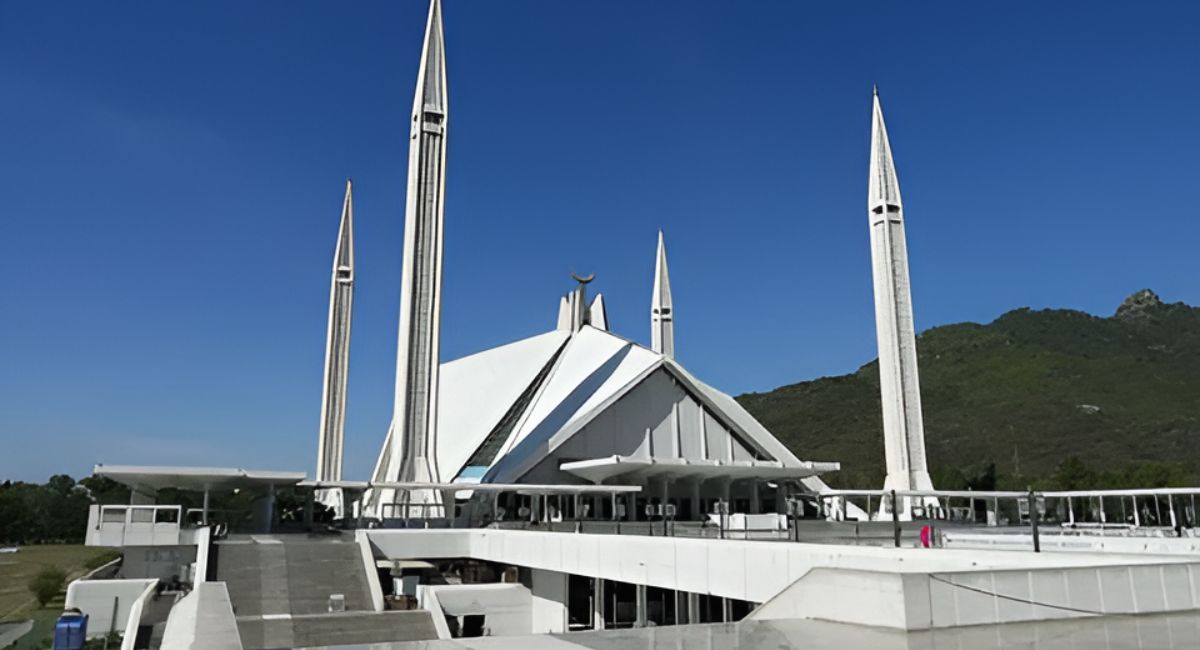
This location makes the mosque easily visible from various parts of the city. Its elevated position against the Mallarme Hills provides a stunning natural backdrop, enhancing its visual grandeur.
Why Faisal Mosque’s Location is Unique
The placement of Faisal Mosque was not accidental—it was carefully chosen to reflect harmony between architecture and nature.
1. Scenic Surroundings
The mosque sits right at the base of the Margalla Hills, offering breathtaking views. Visitors often describe the experience as serene and spiritually uplifting due to the combination of greenery, fresh air, and mountain scenery.
2. Accessibility
Being located along Shah Faisal Avenue, one of Islamabad’s main roads, the mosque is easily accessible from all major sectors of the city.
3. Visibility
Due to its elevated position and unique design, Faisal Mosque can be seen from miles away, making it a natural landmark for navigation.
Historical Background of Faisal Mosque
The mosque is named after King Faisal bin Abdul, who funded its construction. His vision was to create a grand mosque in Pakistan that would reflect Islamic unity and modern design.
- Construction Start: 1976
- Completion: 1986
- Architect: Vedat Dalokay
Unlike traditional mosques with domes, Faisal Mosque features a contemporary design inspired by a Bedouin tent.
Architectural Significance and Layout
Unique Design
The mosque’s design breaks away from classical Mughal architecture. Instead of a dome, it has a triangular, tent-like structure.
Key Features:
- Four towering minarets, each about 90 meters tall
- A massive prayer hall accommodating over 10,000 worshippers
- Courtyard capacity of over 100,000 people
This makes Faisal Mosque one of the largest mosques in the world.
How to Reach Faisal Mosque
By Road
Faisal Mosque is easily accessible via Shah Faisal Avenue. If you’re traveling within Islamabad, you can reach it by:
- Taxi or ride-hailing services
- Personal vehicle
- Public transport routes
From Nearby Cities
- From Rawalpindi: حوالي 20–30 minutes drive
- From Lahore: حوالي 4–5 hours via motorway
From Islamabad International Airport
The mosque is about a 40-minute drive from Islamabad International Airport.
Nearby Attractions Around Faisal Mosque
The location of Faisal Mosque makes it a perfect starting point for exploring Islamabad.
1. Daman-e-Koh
A popular hilltop viewpoint offering panoramic views of Islamabad.
2. Pir Sohawa
Located further up in the Margalla Hills, known for dining and scenic beauty.
3. Pakistan Monument
A symbol of national unity located nearby in Shakarparian Hills.
4. Lok Virsa Museum
A cultural heritage museum showcasing Pakistan’s traditions.
Best Time to Visit Faisal Mosque
Seasonal Considerations
- Winter (November–February): Pleasant weather, ideal for sightseeing
- Spring (March–April): Lush greenery and blooming flowers
- Summer (May–August): Hot but still manageable in evenings
Time of Day
- Early morning for peaceful atmosphere
- Evening for beautiful lighting and sunset views
Cultural and Religious Importance
Faisal Mosque is more than just a tourist attraction—it is a central place of worship and Islamic learning.
- Hosts daily prayers and Friday congregations
- Serves as a hub for religious education
- Symbolizes unity among Muslim nations
It also houses the International Islamic University Islamabad, further emphasising its educational significance.
Visitor Guidelines
If you’re planning to visit Faisal Mosque, here are some important tips:
Dress Code
- Modest clothing is required
- Women should cover their heads
Behavior
- Maintain silence and respect the sanctity of the المكان
- Remove shoes before entering prayer areas
Photography
- Allowed in most outdoor areas
- Avoid photographing worshippers without permission
Why Faisal Mosque is a Must-Visit Destination
1. Architectural Marvel
Its modern design makes it stand out among mosques worldwide.
2. Spiritual Experience
The peaceful environment offers a deeply calming experience.
3. Tourist Attraction
It is one of the most visited landmarks in Pakistan.
4. Photographic Beauty
The combination of white marble structure and green hills creates stunning visuals.
Interesting Facts About Faisal Mosque
- It was the largest mosque in the world from 1986 to 1993
- Its design was selected through an international competition
- It can accommodate over 300,000 worshippers in total
- It has no traditional dome
Faisal Mosque in Global Context
Compared to other famous mosques like the Mastoid AL-Hiram or Sheikh Payed Grand Mosque, Faisal Mosque stands out due to its minimalist and modernist approach.
Conclusion
The Faisal Mosque location is one of its greatest strengths. Positioned at the foothills of the Margalla Hills in Islamabad, it offers a perfect blend of natural beauty, accessibility, and architectural brilliance. Whether you are a tourist, a photographer, or someone seeking spiritual peace, Faisal Mosque provides an unforgettable experience.
Its strategic placement, cultural importance, and stunning design make it not just a mosque, but a national icon of Pakistan. Visiting this landmark allows you to witness the harmony between faith, nature, and modern architecture—something truly rare and inspiring.
If you want, I can also optimize this article for SEO (meta description, headings, keyword density) or convert it into a blog post format.