Introduction
Globalisation has become one of the most influential forces shaping the modern world. It has transformed economies, cultures, political systems, and social interactions across continents. Among the many thinkers who have contributed to the understanding of globalisation, Stewart stands out as a significant voice offering nuanced insights into how global interconnections affects societies at multiple levels. The concept of “Stewart from globalisation” can be interpreted as an exploration of Stewart’s perspectives, theories, and critiques regarding globalisation and its far-reaching consequences.
This article provides an in-depth, professional analysis of Stewart’s views on globalisation, examining its economic, cultural, political, and social dimensions. It also evaluates the benefits and drawbacks of globalisation through Stewart’s lens, while discussing its implications for developing and developed nations alike.
Understanding Globalisation
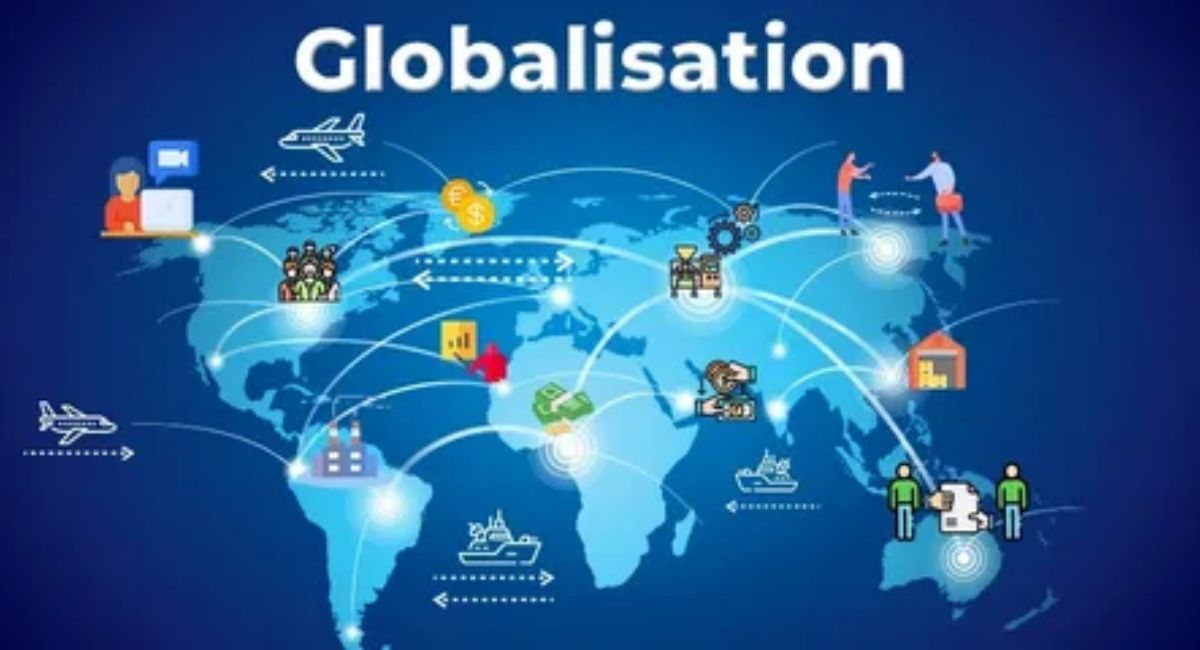
Globalisation refers to the increasing interconnectedness of the world’s economies, cultures, and populations, brought about by cross-border trade, investment, technology, and the flow of information. It has accelerated significantly since the late 20th century due to advancements in transportation, communication, and digital technologies.
From Stewart’s perspective, globalisation is not merely an economic phenomenon but a multidimensional process that affects:
- Economic systems
- Cultural identities
- Political sovereignty
- Social structures
Stewart emphasizes that globalisation must be understood as both an opportunity and a challenge, depending on how it is managed and experienced by different regions and communities.
Stewart’s Theoretical Framework on Globalisation
Stewart approaches globalisation through a critical and analytical framework, focusing on inequality, development, and human well-being. His work often highlights the uneven distribution of globalisation’s benefits and costs.
1. Multidimensional Globalisation
Stewart argues that globalisation should not be reduced to trade liberalisation alone. Instead, it encompasses:
- Financial integration
- Technological diffusion
- Cultural exchange
- Migration flows
This broader perspective allows for a more comprehensive understanding of its impacts.
2. Inequality and Distribution
A central theme in Stewart’s analysis is inequality. He suggests that globalisation has widened the gap between:
- Rich and poor countries
- Urban and rural populations
- Skilled and unskilled workers
While some nations have prospered, others have been left behind, creating what Stewart describes as “asymmetric global integration.”
3. Human Development Approach
Stewart places strong emphasis on human development, arguing that economic growth alone is not sufficient. Instead, globalisation should be evaluated based on its impact on:
- Education
- Health
- Living standards
- Social inclusion
This aligns with broader development theories that prioritize human well-being over purely economic metrics.
Economic Impacts of Globalisation
Positive Effects
Stewart acknowledges several economic benefits of globalisation:
- Increased Trade and Investment
Countries have access to larger markets, enabling economic expansion and higher productivity. - Technology Transfer
Developing countries benefit from advanced technologies introduced by multinational corporations. - Job Creation
Globalisation has created employment opportunities, particularly in export-oriented industries. - Economic Growth
Many emerging economies have experienced rapid growth due to integration into the global market.
Negative Effects
However, Stewart also highlights significant drawbacks:
- Income Inequality
Wealth tends to concentrate among elites, leaving marginalized groups behind. - Job Displacement
Automation and outsourcing can lead to unemployment in certain sectors. - Economic Vulnerability
Global financial crises can quickly spread across borders, affecting multiple economies. - Dependence on Global Markets
Over-reliance on exports can make countries vulnerable to external shocks.
Cultural Dimensions of Globalisation
Stewart views culture as a critical area impacted by globalisation. He identifies both enriching and concerning trends.
Cultural Exchange and Diversity
Globalisation facilitates:
- Exchange of ideas, traditions, and values
- Greater exposure to different cultures
- Increased tolerance and understanding
This can lead to a more interconnected and culturally aware global society.
Cultural Homogenisation
On the other hand, Stewart warns of cultural homogenisation, where dominant cultures overshadow local traditions. This phenomenon can result in:
- Loss of indigenous languages
- Erosion of cultural identity
- Standardisation of lifestyles
He stresses the importance of preserving cultural diversity while embracing global interconnectedness.
Political Implications
Globalisation has significantly influenced political systems and governance structures.
Decline of State Sovereignty
Stewart argues that globalisation can weaken national sovereignty as:
- International organisations gain influence
- Multinational corporations shape policies
- Trade agreements limit domestic decision-making
Rise of Global Governance
At the same time, global challenges such as climate change, terrorism, and pandemics require collective action. This has led to the emergence of global governance frameworks.
Policy Challenges
Governments face complex challenges in balancing:
- National interests
- Global commitments
- Economic competitiveness
- Social welfare
Stewart emphasizes the need for policies that protect vulnerable populations while engaging with the global economy.
Social Consequences
Poverty and Development
Globalisation has contributed to poverty reduction in some regions, particularly in parts of Asia. However, Stewart notes that:
- Poverty persists in many areas, especially in Africa
- Benefits are unevenly distributed
- Structural inequalities remain entrenched
Migration and Urbanisation
Globalisation has increased migration, both voluntary and forced. This has led to:
- Growth of multicultural societies
- Urban expansion
- Strain on infrastructure and resources
Social Inequality
Stewart highlights how globalisation can exacerbate social divisions based on:
- Income
- Education
- Access to resources
Addressing these inequalities is crucial for sustainable development.
Globalisation and Developing Countries
Stewart pays particular attention to the experiences of developing nations.
Opportunities
- Access to global markets
- Foreign direct investment
- Technological advancements
Challenges
- Weak institutions
- Limited bargaining power
- Exposure to global competition
He argues that developing countries need strong policies and institutions to maximise the benefits of globalisation.
Globalisation and Developed Countries
Even developed nations face challenges:
- Job losses in manufacturing
- Rising inequality
- Political backlash against globalisation
Stewart notes that dissatisfaction with globalisation has contributed to:
- Nationalist movements
- Protectionist policies
- Political polarization
Critiques of Globalisation in Stewart’s Work
Stewart is not anti-globalisation but advocates for a more equitable and inclusive approach. His critiques include:
- Market-Driven Globalisation
He argues that excessive reliance on free markets can neglect social and environmental concerns. - Lack of Regulation
Weak global governance can lead to exploitation and instability. - Exclusion of Marginalized Groups
Many communities remain excluded from the benefits of globalisation.
Towards Inclusive Globalisation
Stewart proposes several strategies to make globalisation more inclusive:
1. Strengthening Institutions
Effective governance is essential for managing globalisation’s impacts. This includes:
- Transparent policies
- Strong legal systems
- Accountability mechanisms
2. Investing in Human Capital
Education and healthcare are critical for enabling individuals to participate in the global economy.
3. Social Protection Measures
Governments should implement policies to protect vulnerable populations, such as:
- Unemployment benefits
- Social safety nets
- Inclusive economic policies
4. Fair Trade Practices
Ensuring fair trade can help reduce inequality and promote sustainable development.
5. Global Cooperation
International collaboration is necessary to address global challenges and ensure equitable outcomes.
The Future of Globalisation
Stewart’s perspective suggests that globalisation is not a fixed process but an evolving one. Its future will depend on:
- Technological advancements
- Political decisions
- Social movements
- Environmental considerations
Emerging trends such as digital globalisation, artificial intelligence, and climate change will shape the next phase of global integration.
Conclusion
“Stewart from globalisation” represents a critical and comprehensive approach to understanding one of the most defining phenomena of our time. Stewart’s analysis highlights both the opportunities and challenges of globalisation, emphasizing the importance of equity, human development, and inclusive policies.
Globalisation has the potential to drive progress and prosperity, but only if it is managed effectively. By addressing inequality, strengthening institutions, and prioritizing human well-being, societies can harness the benefits of globalisation while minimizing its risks.
Ultimately, Stewart’s work serves as a reminder that globalisation is not an end in itself but a means to improve the quality of life for people around the world. The challenge lies in ensuring that its benefits are shared broadly and fairly, creating a more just and sustainable global society.
If you want, I can tailor this article for SEO (with headings, meta description, keyword density) or adapt it to a specific academic style like APA or Harvard.