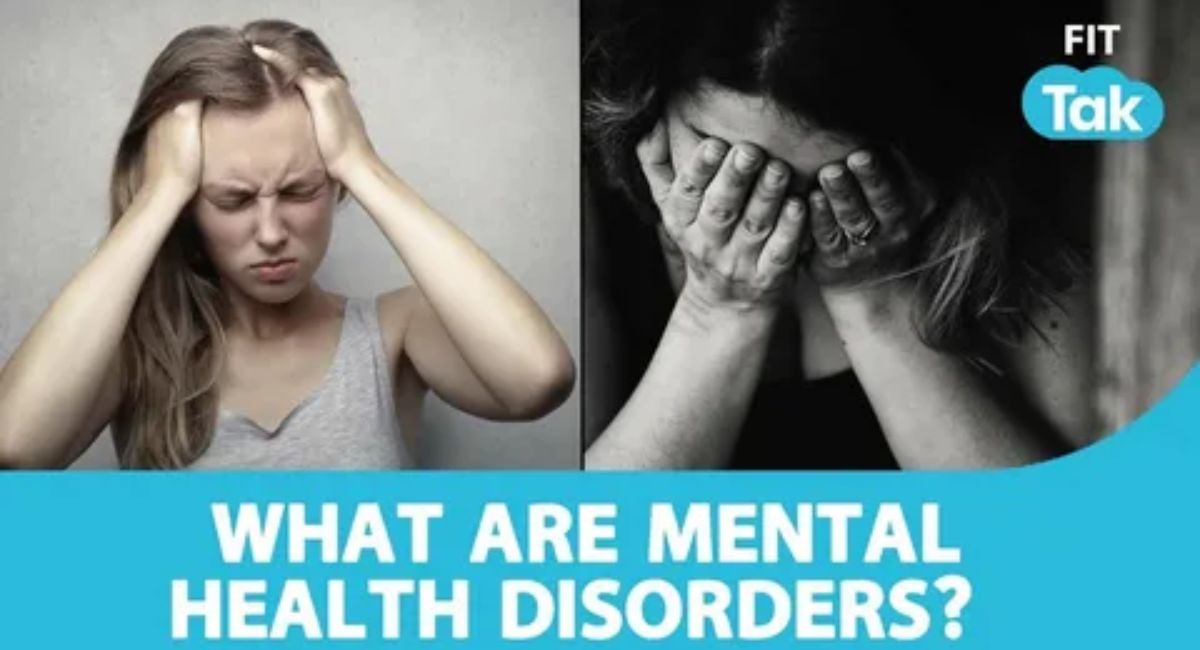
Disorders—whether physical, mental, emotional, or behavioural—represent disruptions to the normal functioning of the human body or mind. While the term “disorder” encompasses a wide range of conditions, from chronic illnesses to psychological disturbances, the underlying reality remains the same: disorders often create significant challenges for individuals and ripple outward to affect families, communities, and entire societies. Understanding why disorders are bad is not about stigmatising those who suffer from them, but rather about recognising their serious consequences and the importance of prevention, treatment, and support.
1. Disruption of Normal Functioning
At their core, disorders interfere with the body’s or mind’s ability to function as intended. Physical disorders may impair organs, systems, or mobility, while mental disorders can disrupt thinking, emotions, and behavior. This disruption makes even basic daily activities difficult.
For example, a person with a neurological disorder may struggle with coordination or memory, while someone with a mood disorder may find it hard to maintain emotional balance. These disruptions reduce a person’s ability to live independently, perform routine tasks, or achieve personal goals.
2. Decline in Quality of Life
One of the most immediate consequences of disorders is a diminished quality of life. Individuals suffering from chronic or severe conditions often experience:
- Persistent discomfort or pain
- Emotional distress
- Fatigue and lack of motivation
- Reduced enjoyment in everyday activities
This decline is not limited to physical suffering. Mental and emotional disorders can be equally, if not more, debilitating. Conditions such as anxiety or depression can strip away a person’s sense of purpose and happiness, leading to a life that feels restricted and unfulfilling.
3. Emotional and Psychological Burden
Disorders often bring a heavy emotional toll. Individuals may feel frustration, helplessness, or hopelessness as they struggle to cope with their condition. Over time, this emotional burden can lead to:
- Low self-esteem
- Social withdrawal
- Increased stress levels
- Feelings of isolation
In many cases, people with disorders also face stigma or misunderstanding from others, which worsens their psychological state. This social stigma can discourage individuals from seeking help, further aggravating the problem.
4. Impact on Relationships
Disorders do not exist in isolation—they affect relationships with family, friends, and colleagues. A person dealing with a disorder may find it difficult to communicate effectively, fulfill responsibilities, or participate in social activities.
Family members often take on caregiving roles, which can lead to emotional strain, financial pressure, and even conflict. Friendships may weaken due to reduced interaction, and professional relationships can suffer due to decreased productivity or reliability.
Over time, these strained relationships can create a cycle of isolation and worsening symptoms, making recovery more difficult.
5. Economic Consequences
Disorders can have significant financial implications for both individuals and society. Medical treatments, therapy sessions, medications, and hospitalizations can be expensive. Additionally, many individuals with disorders face reduced earning capacity due to:
- Inability to work full-time
- Frequent absences from work
- Decreased productivity
On a larger scale, healthcare systems bear the burden of treating widespread disorders, which can strain public resources. Lost productivity and increased healthcare costs contribute to economic challenges at the national level.
6. Reduced Productivity and Performance
Whether in school, the workplace, or daily life, disorders often reduce an individual’s ability to perform effectively. Cognitive disorders may impair concentration and memory, while physical conditions may limit stamina or mobility.
This reduced performance can lead to:
- Academic underachievement
- Job loss or limited career growth
- Decreased confidence in one’s abilities
Over time, these setbacks can accumulate, making it harder for individuals to reach their full potential.
7. Increased Risk of Complications
Many disorders do not exist alone; they often lead to additional health complications. For example:
- A chronic physical illness may lead to depression
- A mental disorder may result in substance abuse
- Untreated conditions can worsen over time
These complications create a domino effect, where one disorder triggers others, making treatment more complex and recovery more challenging.
8. Social and Cultural Impact
Disorders also have broader social implications. High rates of certain disorders can affect community well-being, public safety, and social stability. For instance:
- Mental health disorders can contribute to homelessness or crime when left untreated
- Substance-related disorders can disrupt families and communities
- Widespread health issues can reduce workforce participation
Cultural attitudes toward disorders also play a role. In some societies, stigma and lack of awareness prevent people from seeking help, allowing problems to grow unchecked.
9. Educational Challenges
For students, disorders can create significant barriers to learning. Conditions such as attention difficulties, emotional instability, or physical impairments can make it hard to focus, participate, and succeed academically.
As a result, students with disorders may experience:
- Lower grades
- Increased dropout rates
- Limited educational opportunities
Without proper support, these challenges can have long-term consequences on career prospects and personal development.
10. Risk to Physical Health
Certain disorders directly threaten physical health and longevity. Chronic illnesses, untreated conditions, and harmful behaviors associated with some disorders can increase the risk of severe health complications, including:
- Heart disease
- Weakened immune system
- Premature death
Even mental disorders can have physical effects, such as sleep disturbances, appetite changes, and increased vulnerability to other illnesses.
11. Barriers to Personal Growth
Disorders can limit an individual’s ability to grow, adapt, and pursue ambitions. When a person is constantly managing symptoms or coping with limitations, it becomes difficult to focus on self-improvement, skill development, or long-term goals.
This stagnation can lead to frustration and a sense of missed opportunities, further affecting mental well-being.
12. Burden on Caregivers
The impact of disorders extends beyond the individual to those who provide care. Family members and caregivers often face:
- Emotional exhaustion
- Financial strain
- Reduced personal time
- Increased stress
Caregiving can be a full-time responsibility, and without adequate support, it can negatively affect the caregiver’s own health and well-being.
13. Stigma and Discrimination

One of the most harmful aspects of disorders is the stigma attached to them. Misunderstandings and negative stereotypes can lead to discrimination in various areas of life, including employment, education, and social interactions.
This stigma creates barriers to:
- Seeking medical or psychological help
- Openly discussing one’s condition
- Receiving support from others
Breaking this stigma is essential for improving outcomes and encouraging early intervention.
14. Long-Term and Chronic Nature
Many disorders are chronic, meaning they persist over a long period or even a lifetime. This long-term nature makes them particularly challenging, as individuals must continuously manage symptoms and adapt to changing circumstances.
Chronic disorders often require ongoing treatment, lifestyle adjustments, and regular monitoring, which can be physically and emotionally draining.
15. Importance of Early Detection and Treatment
While disorders are harmful, their impact can often be reduced through early detection and proper treatment. Unfortunately, lack of awareness, stigma, and limited access to healthcare prevent many people from receiving timely help.
Early intervention can:
- Prevent complications
- Improve quality of life
- Increase chances of recovery
- Reduce long-term costs
This highlights the importance of education, awareness, and accessible healthcare systems.
Conclusion
Disorders are bad not because they define a person, but because they disrupt the natural balance of life, creating challenges that affect every aspect of existence—from physical health and emotional well-being to relationships, productivity, and societal stability. Their impact is far-reaching, touching not only individuals but also families, communities, and economies.
However, recognizing the negative effects of disorders should lead to action, not judgment. With proper awareness, compassionate support, and effective treatment, many of the harmful consequences of disorders can be managed or even prevented. Society must focus on reducing stigma, improving healthcare access, and promoting early intervention to minimize the burden of disorders and help individuals lead healthier, more fulfilling lives.