Introduction
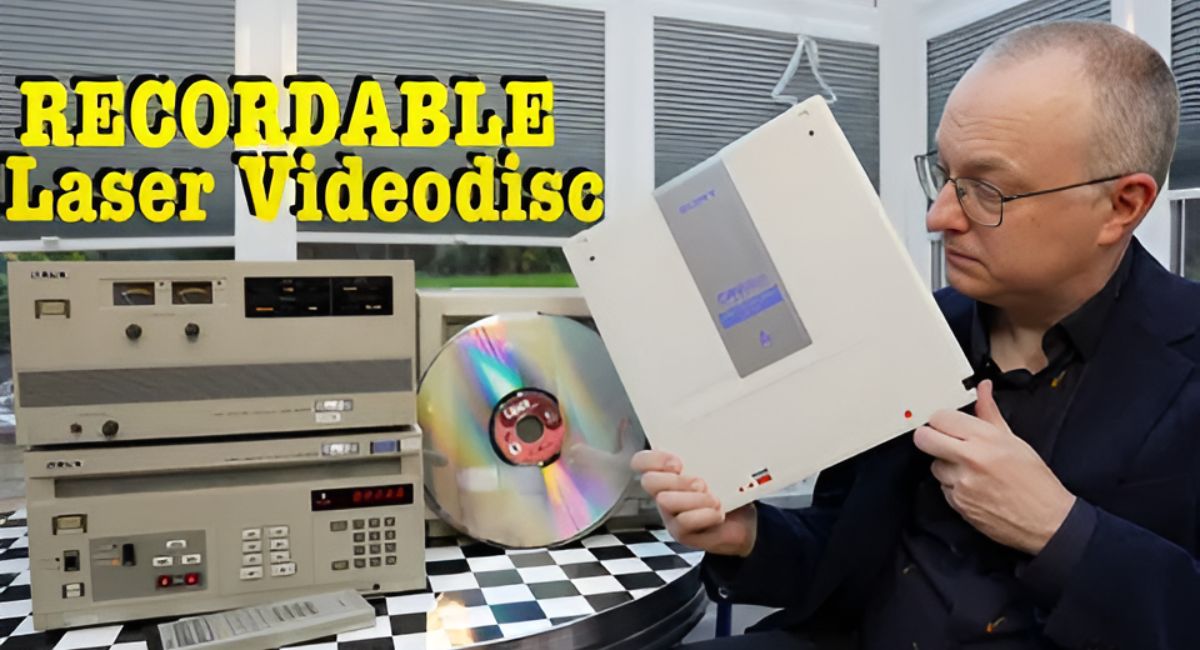
The term videodisc refers to a format of storing video and audio content on a disc medium that can be played back using a dedicated player. Though largely replaced by modern digital streaming and storage technologies, videodiscs played a critical role in the evolution of home entertainment, education, and media distribution. From early experimental systems to widely adopted consumer formats like LaserDisc and DVD, videodisc technology paved the way for today’s digital media landscape.
This article explores the history, types, technology, advantages, limitations, and legacy of videodiscs, along with their relevance in today’s digital age.
What Is a Videodisc?
A videodisc is a flat, circular disc used to store video signals, typically along with audio. Unlike magnetic tapes (such as VHS), videodiscs use optical or mechanical methods to read stored data. The information is encoded onto the surface of the disc and read by a player using either a stylus or a laser.
Videodiscs can be broadly categorized into two types:
- Analog videodiscs – Store continuous video signals (e.g., LaserDisc, CED)
- Digital videodiscs – Store encoded digital data (e.g., DVD, Blu-ray)
Historical Development of Videodiscs Early Concepts (1920s–1960s)
The concept of storing video on discs dates back to the early 20th century. Inventors experimented with mechanical systems that used grooves—similar to phonograph records—to store visual information. However, limitations in technology prevented these early attempts from becoming commercially viable.
The Rise of Optical Videodiscs (1970s)
The 1970s marked a turning point with the introduction of optical videodisc systems. These systems used lasers to read information encoded on reflective discs.
One of the earliest successful formats was LaserDisc, introduced in the late 1970s. It offered superior video and audio quality compared to VHS tapes but struggled with high costs and limited recording capabilities.
Competing Formats
Several videodisc formats emerged during the late 20th century:
- LaserDisc (LD) – High-quality analog optical format
- CED (Capacitance Electronic Disc) – Used a stylus to read grooves
- VHD (Video High Density) – Popular in Japan
Each format had its own technological approach, but none achieved the universal adoption of VHS at the time.
Transition to Digital (1990s–2000s)
The introduction of the Digital Versatile Disc (DVD) in the mid-1990s revolutionized videodisc technology. DVDs used digital compression to store high-quality video and audio in a compact format.
Later advancements included:
- Blu-ray Disc – Higher storage capacity and HD video support
- HD DVD (now obsolete)
These formats marked the shift from analogy to fully digital videodiscs.
How Videodiscs Work
Basic Components
A videodisc system typically consists of:
- Disc medium – Stores encoded video and audio
- Player device – Reads and decodes the data
- Output interface – Displays content on a screen
Optical Reading Technology
Most modern videodiscs use laser technology:
- A laser beam scans the disc surface
- Reflections are interpreted as data (binary in digital formats)
- The player decodes this data into video and audio signals
Analog vs Digital Encoding
- Analog videodiscs store continuous waveforms representing video signals
- Digital videodiscs store compressed binary data that must be decoded
Digital encoding allows for:
- Better quality
- Error correction
- Additional features (menus, subtitles, multiple audio tracks)
Types of Videodiscs
LaserDisc
LaserDisc was the first widely available optical videodisc format. It offered:
- Excellent picture quality for its time
- Uncompressed audio options
- Frame-accurate navigation
However, it had drawbacks:
- Large disc size (12 inches)
- No recording capability
- Expensive players and discs
CED (Capacitance Electronic Disc)
Developed as a more affordable alternative, CED used a stylus that physically touched the disc. While cheaper, it suffered from:
- Wear and tear
- Lower video quality
- Limited lifespan
DVD (Digital Versatile Disc)
DVD became the most successful videodisc format due to:
- Compact size
- High storage capacity
- Digital video and audio quality
- Interactive features
DVDs replaced VHS tapes and dominated the market for over a decade.
Blu-ray Disc
Blu-ray discs use a blue-violet laser to achieve higher data density. Features include:
- Full HD and 4K video support
- Large storage capacity (25GB–100GB)
- Advanced audio formats
Blu-ray remains popular among collectors and high-quality media enthusiasts.
Advantages of Videodiscs
Superior Quality
Compared to analog tapes, videodiscs offer:
- Higher resolution
- Better color accuracy
- Reduced noise and distortion
Random Access
Unlike tapes, videodiscs allow users to jump directly to specific scenes without rewinding or fast-forwarding.
Durability
Optical discs are less susceptible to magnetic interference and degradation compared to tapes.
Additional Features
Modern videodiscs include:
- Interactive menus
- Subtitles in multiple languages
- Bonus content and behind-the-scenes footage
Limitations of Videodiscs
Physical Media Constraints
Videodiscs are physical objects that can:
- Be scratched or damaged
- Require storage space
- Be inconvenient compared to digital files
Obsolescence
Many videodisc formats are no longer supported, making it difficult to find players or replacement discs.
Limited Portability
Unlike streaming services, videodiscs require dedicated hardware for playback.
Competition from Digital Streaming
Streaming platforms have largely replaced videodiscs due to:
- Instant access
- No physical storage requirements
- On-demand content availability
Videodiscs in Education and Industry
Videodiscs were widely used in educational and professional settings, especially before the rise of the internet.
Educational Applications
- Interactive learning systems
- Language training programs
- Medical and technical training
LaserDisc, in particular, was used in classrooms due to its ability to provide high-quality visuals and precise navigation.
Industrial and Military Use
Videodiscs were used for:
- Simulation training
- Equipment instruction
- Visual documentation
Their reliability and consistent playback made them suitable for critical applications.
The Transition to Digital Media
The decline of videodiscs began with the rise of digital media technologies:
Key Factors
- Internet streaming
- Cloud storage
- Portable devices
- Digital downloads
These innovations eliminated the need for physical media, offering greater convenience and accessibility.
Impact on Consumers
Consumers shifted toward:
- Streaming services
- Digital libraries
- Subscription-based models
As a result, physical videodiscs became less common in everyday use.
Modern Relevance of Videodiscs
Despite their decline, videodiscs still hold value in certain areas:
Collectors and Enthusiasts
Many collectors prefer physical media for:
- Ownership rights
- High-quality video and audio
- Special edition releases
Archival Purposes
Videodiscs are used to preserve:
- Historical recordings
- Rare films
- Educational materials
Professional Use
Blu-ray discs are still used in:
- Film distribution
- High-definition content storage
- Gaming consoles
Videodiscs vs Streaming: A Comparison
| Feature | Videodiscs | Streaming Services |
|---|---|---|
| Ownership | Permanent | Subscription-based |
| Quality | Consistent, high | Depends on internet speed |
| Accessibility | Requires player | Available on multiple devices |
| Storage | Physical space required | Cloud-based |
| Cost | One-time purchase | Recurring fees |
While streaming offers convenience, videodiscs provide reliability and control over content.
The Future of Videodisc Technology
Although traditional videodiscs are declining, the underlying optical storage technology continues to evolve.
Emerging Trends
- Ultra HD Blu-ray formats
- Archival-grade optical storage
- Hybrid physical-digital solutions
Long-Term Outlook
Videodiscs are unlikely to return as mainstream consumer media, but they will continue to exist in niche markets, including collectors, archivists, and professionals.
Conclusion
Videodiscs represent a significant milestone in the history of media technology. From early experimental formats to widely adopted systems like DVD and Blu-ray, they have shaped how people consume video content.
While digital streaming has largely replaced physical media, videodiscs remain relevant for their quality, reliability, and archival value. Understanding their evolution provides valuable insight into the broader development of entertainment and information technology.
As technology continues to advance, the legacy of videodiscs serves as a reminder of the innovation that brought us from analogy recordings to today’s digital world.
If you want, I can also:
- Optimize this for SEO (meta description, headings, keyword density)
- Rewrite it for a blog or affiliate site
- Add internal linking structure or FAQs for ranking purposes